
Beyond SPF: Why Skin Protection Is Expanding Past UV
For years, conversations around skin protection centered almost entirely on UV exposure and "sun damage." SPF became synonymous with skin health, and protection was often viewed through a singular lens: preventing sunburn.
But our understanding of skin damage has evolved.
Today, skin health professionals recognize that the skin is exposed to far more than ultraviolet radiation alone. Throughout the day, skin encounters a continuous combination of environmental aggressors including high-energy visible (HEV) blue light, infrared radiation (IR), pollution, and oxidative stress from free radical formation. Together, these exposures contribute to what many experts now describe as cumulative "light damage" and reinforce the need for a true sunscreen beyond UV protection approach.
This shift matters because many of the skin concerns patients and clients struggle with most today are influenced by more than UV alone.
Hyperpigmentation, melasma, inflammation, premature aging, barrier disruption, redness, uneven tone, and loss of skin quality are increasingly being linked to broader environmental exposure patterns that extend well beyond traditional sun damage.
As our understanding of environmental exposure has evolved, so has the approach to protection. Technologies like EnviroScreen® 5-Point Protection were developed to help address the broader range of environmental aggressors skin encounters daily, including UV, HEV light, infrared radiation, pollution, and free radicals.
Claire O'Bryan, NP, Board-Certified Nurse Practitioner of 16 years, Co-Founder of The Skin Clique, and Colorescience KNOW BETTER SKIN PRO, explains how this evolution has changed the way she approached skin protection clinically:
"We used to think sunscreen was enough, and if we could block the UV we'd protect the skin. We now know that UV is only one piece of a much bigger puzzle. Every day our skin is being hit by blue light from screens, heat, pollution and free radicals. All these things drive inflammation, pigmentation, and speed up the process of aging. I think about it as light AND environmental damage now, not just sun exposure. If we're only protecting against UV, we're leaving a lot of damage unaddressed."
Understanding the Different Forms of Light and Environmental Damage
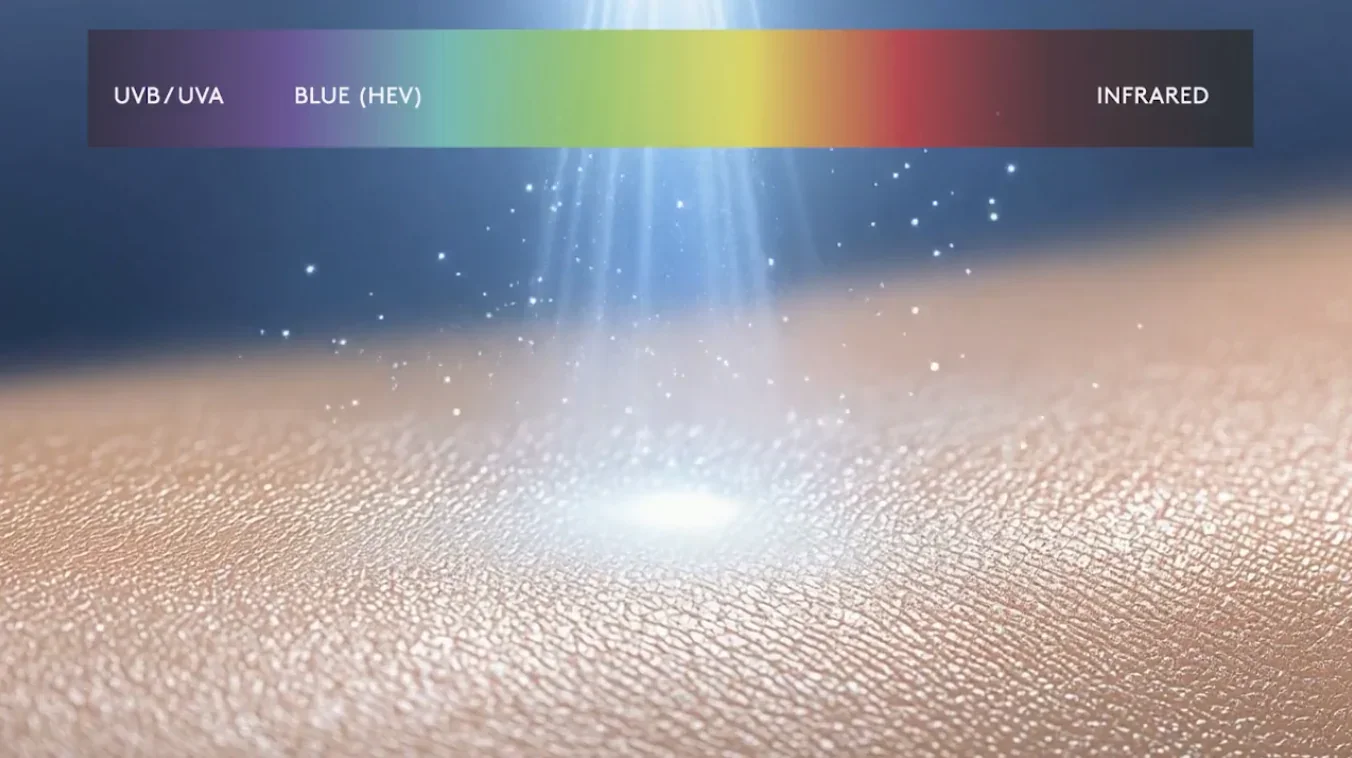
Not all environmental exposure impacts the skin in the same way. Different wavelengths of light and environmental aggressors contribute to distinct visible skin concerns and biological responses within the skin.
Claire explains:
"UV damage shows up as burning, DNA damage, sunspots and increased skin cancer risk. This is what most of us think of when we think of skin damage or the skin's aging process."
UV damage presents in multiple ways depending on the wavelength. UVB is most associated with burning and direct DNA damage, while UVA penetrates more deeply into the skin and is strongly linked to photoaging, pigmentation, collagen breakdown, and increased skin cancer risk. Both forms of UV exposure contribute to cumulative cellular damage over time, reinforcing why daily broad-spectrum protection remains foundational not only for visible skin health, but also for helping reduce long-term skin cancer risk.
While UV remains critically important, HEV blue light has emerged as another major consideration, particularly when it comes to pigmentation concerns.
"Blue light is much sneakier because it penetrates deeper and is a real driver of pigment, especially in my melasma patients."
This is one reason many skin health professionals recommend tinted formulas and blue light protection sunscreen options for daily facial protection.
Infrared radiation contributes differently, often through heat-driven inflammation and collagen degradation over time.
"Infrared creates heat in the skin that breaks down collagen over time, which looks like skin laxity and deeper wrinkling."
Pollution and free radicals further compound these effects by increasing oxidative stress within the skin and contributing to inflammation, dullness, uneven tone, and accelerated visible aging. This is why anti pollution sunscreen and environmental protection sunscreen technologies have become increasingly important in modern skincare.
This is why modern protection strategies can no longer focus solely on UV. Skin is exposed to overlapping environmental stressors simultaneously, and comprehensive protection must reflect how skin functions in the real world.
Why Comprehensive Environmental Protection Matters for Skin Conditions
Environmental exposure becomes even more significant for individuals managing chronic inflammatory or pigmentary skin concerns.
Conditions such as melasma, post-inflammatory hyperpigmentation (PIH), rosacea, acne, and sensitive skin are all highly influenced by environmental triggers, many of which patients do not always recognize.
Claire shares:
"These conditions are all essentially inflammatory, and environmental exposure pours fuel on the fire."
For individuals struggling with melasma or pigmentation disorders, HEV blue light and heat exposure can be particularly problematic.
"With melasma, even a few minutes of blue light or heat exposure can trigger a flare. UV is only part of the problem."
Inflammatory conditions such as rosacea and sensitive skin are also heavily impacted by environmental exposure.
"Rosacea and sensitive skin react to infrared and heat in ways patients don't always connect to their environment."
When these triggers are not addressed comprehensively, managing skin conditions becomes significantly more difficult over time.
"When we're not protecting comprehensively, I'm essentially treating patients while the damage is still happening. It makes everything harder to manage. It's the hamster wheel effect."
This is where comprehensive free radical protection skin support and consistent environmental defense become essential to maintaining healthier skin function over time.
Protecting Treatment Outcomes and Long-Term Skin Quality
As aesthetic treatments continue to evolve, environmental protection has become an increasingly important part of treatment planning and post-procedure care.
Advanced treatments such as lasers, chemical peels, microneedling, and injectables create temporary periods of increased skin vulnerability where environmental exposure can directly interfere with recovery and outcomes.
Claire explains:
"We're investing significant time, money, and trust in treatments like lasers, microneedling, peels and injectables. If a patient walks out without a comprehensive plan that includes full protection, we're working against ourselves."
Post-procedure exposure to UV and HEV blue light can contribute to prolonged inflammation, pigmentation complications, delayed healing, and compromised results.
"The comprehensive plan is a non-negotiable part of aftercare now, not an add-on. It protects the investment we've both made in their skin."
This evolving understanding has shifted environmental protection from a simple recommendation to a foundational component of long-term skin health management.
Why EnviroScreen® 5-Point Protection Matters
As the understanding of light damage evolves, comprehensive protection must evolve with it.
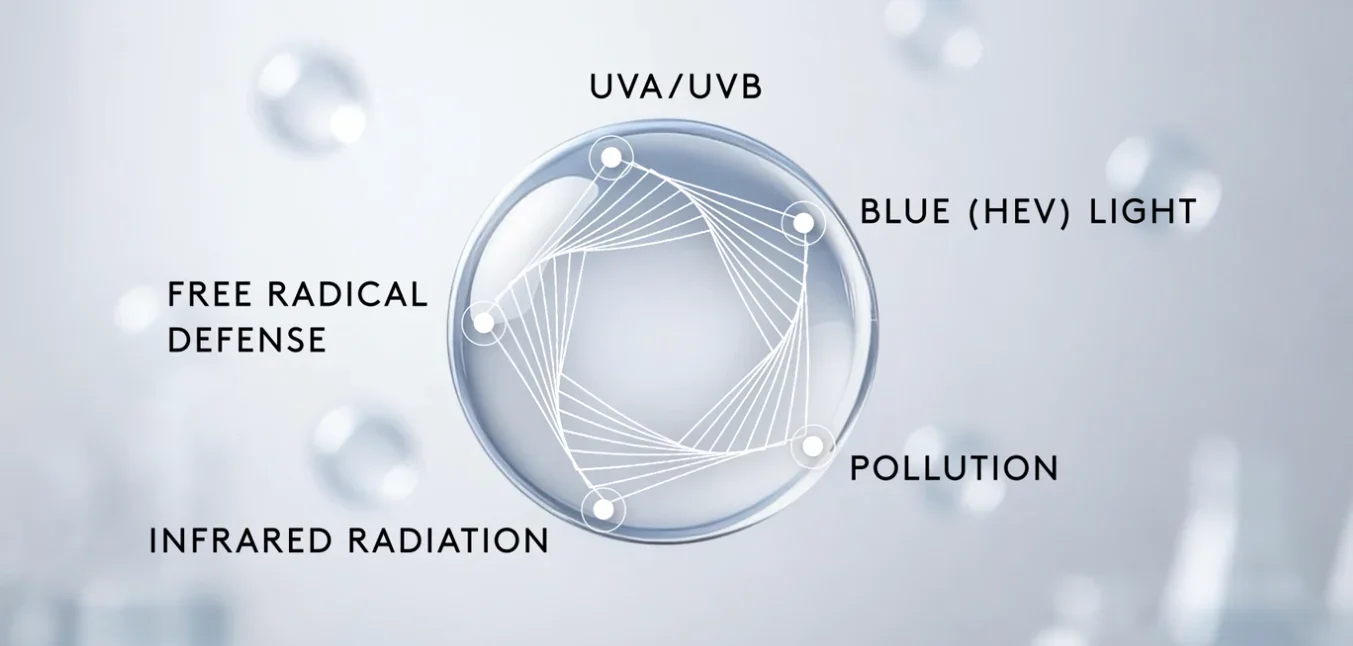
EnviroScreen® 5-Point Protection was developed to help address the reality that skin is exposed to far more than UV alone throughout the day. Rather than focusing solely on sun protection, this technology was designed to help defend against the overlapping environmental aggressors that contribute to visible aging, pigmentation, inflammation, barrier disruption, and oxidative stress.
Powered by 100% all-mineral active ingredients, including zinc oxide and titanium oxide, EnviroScreen® 5-Point Protection helps defend against:
Ultraviolet (UV) radiation
High-energy visible (HEV) blue light
Infrared (IR) radiation
Pollution
Free radicals
Zinc oxide is recognized for its ability to provide broad-spectrum photoprotection across UVB, UVA, and HEV blue light wavelengths while remaining photostable on the skin. There is no systemic absorption. It is also well tolerated by sensitive, compromised, and post-procedure skin with a low risk of irritation or sensitization.
In addition to its protective benefits, zinc oxide is recognized by the FDA as a skin protectant and has decades of trusted clinical use in supporting compromised skin conditions. It also pairs synergistically with iron oxides, which are considered important in helping defend against visible light exposure associated with concerns such as melasma, hyperpigmentation, rosacea, and post-procedure skin vulnerability.
EnviroScreen® 5-Point Protection has been clinically tested and published in the medical literature to protect against light and pollution. HEV attenuation, aka blocking, has been tested across the Total Protection portfolio, because of the growing importance of visible light protection in modern skin health.
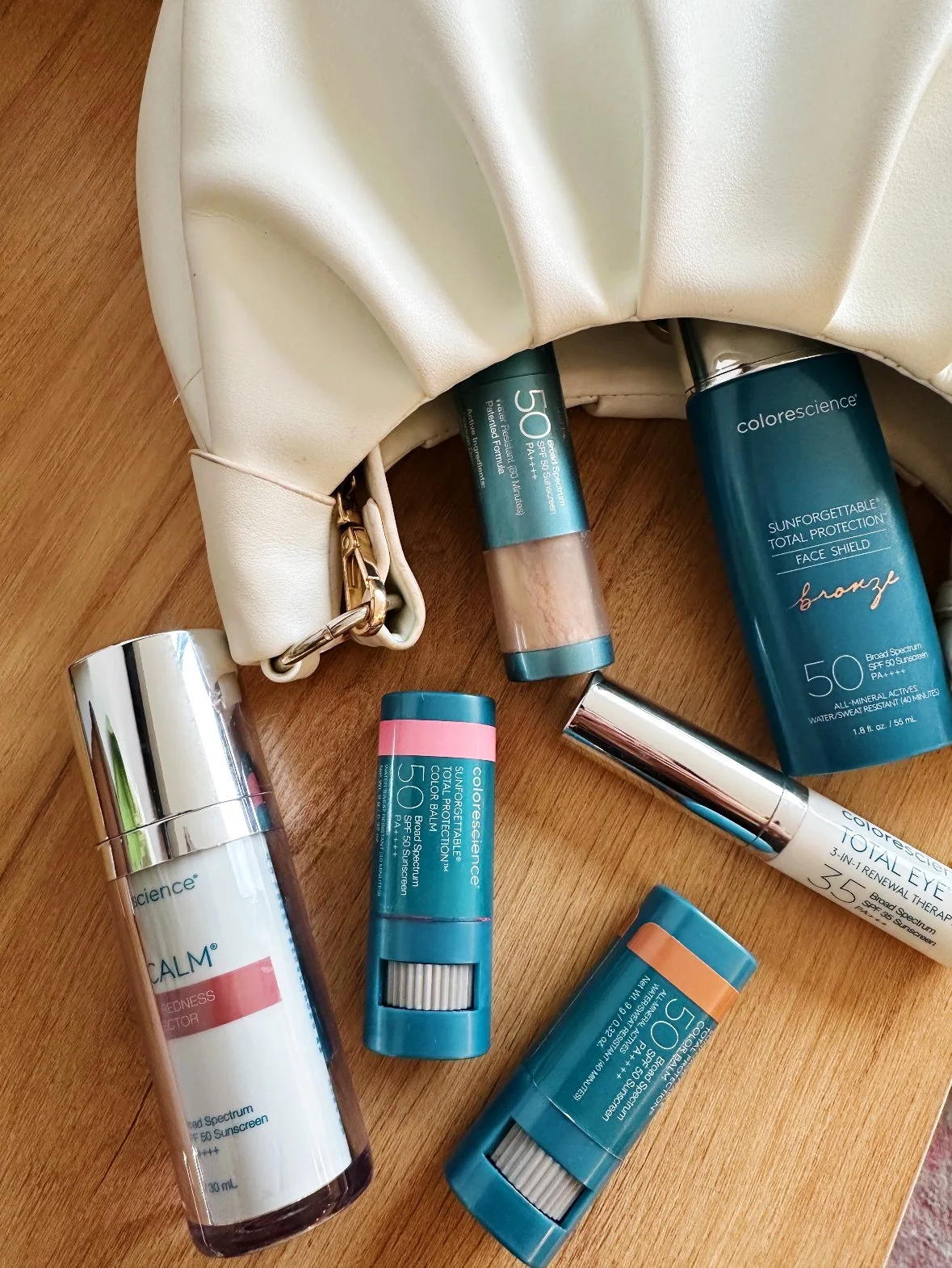
This clinically validated approach powers the Colorescience Total Protection® portfolio, including Total Protection® Face Shield SPF 50, Total Protection® No-Show™ Mineral Sunscreen SPF 50, Total Protection® Brush-On Shield SPF 50, Total Protection Body Shields SPF 50 and Total Protection® Color Balms SPF 50, helping support a comprehensive mineral sun and pollution protection strategy that extends beyond traditional SPF alone.
Unlike most sunscreen approaches focused primarily on UV exposure, EnviroScreen® 5-Point Protection reflects how skin is actually exposed in the real world through cumulative light and environmental exposure throughout the day, including the need for infrared sunscreen support and defense against oxidative stress.
For Claire, clinical validation matters when recommending products intended to support real-world skin health.
"Because claims are everywhere and proof isn't. Anyone can say their product blocks blue light or protects against pollution while very few have the clinical testing to back it up."
The Future of Skin Protection
Understanding how cumulative exposure to light, heat, pollution, and oxidative stress influences skin behavior over time and how comprehensive environmental protection helps support healthier, stronger, more resilient skin.
Because SPF tells part of the story.
EnviroScreen® 5-Point Protection goes beyond SPF.
FAQs
Can sunscreen prevent wrinkles?
Yes, daily sunscreen use is the most effective way to prevent premature wrinkles and skin aging. It protects against UV radiation, which causes up to 90% of visible skin aging-including wrinkles, sagging, and dark spots, by breaking down collagen and elastin. Experts recommend broad-spectrum SPF 30 or higher daily, even on cloudy days.
Can sunscreen prevent acne scars?
Yes, daily sunscreen use is crucial for preventing acne scars from becoming darker, more noticeable, or permanent. While sunscreen doesn't directly erase existing textured scars, it prevents UV rays from worsening inflammation and dark spots (post-inflammatory hyperpigmentation). Use a non-comedogenic, broad-spectrum SPF 30+ to protect healing skin.
What is blue light protection in sunscreen?
Blue light protection in sunscreen shields skin from High-Energy Visible (HEV) light emitted by screens and the sun, which can cause premature aging and hyperpigmentation. It works primarily through iron oxides (often found in tinted sunscreens) to block visible light, along with zinc oxide, titanium dioxide, and antioxidants.
What is anti-pollution sunscreen?
Anti-pollution SPF is a sunscreen that protects against UV rays and helps shield that skin from pollutants. These sunscreens often contain antioxidants to neutralize free radicals and form a barrier on the skin.
Which sunscreen is best for pollution?
All Colorescience® Total Protection® products powered by EnviroScreen® Technology are clinically tested to help protect against free radicals formed by pollution. Proprietary EnviroScreen® Technology provides comprehensive, all-mineral protection against the five leading causes of skin damage and premature aging: Ultraviolet (UV) radiation, High-energy visible (HEV) blue light, Infrared (IR) radiation, pollution and free radicals.
The information shared in this blog should not be used as medical advice. We encourage you to consult a board-certified dermatologist, a medical professional, or a skin health expert who is trained in addressing skin conditions and concerns and making appropriate skincare and treatment recommendations for you.